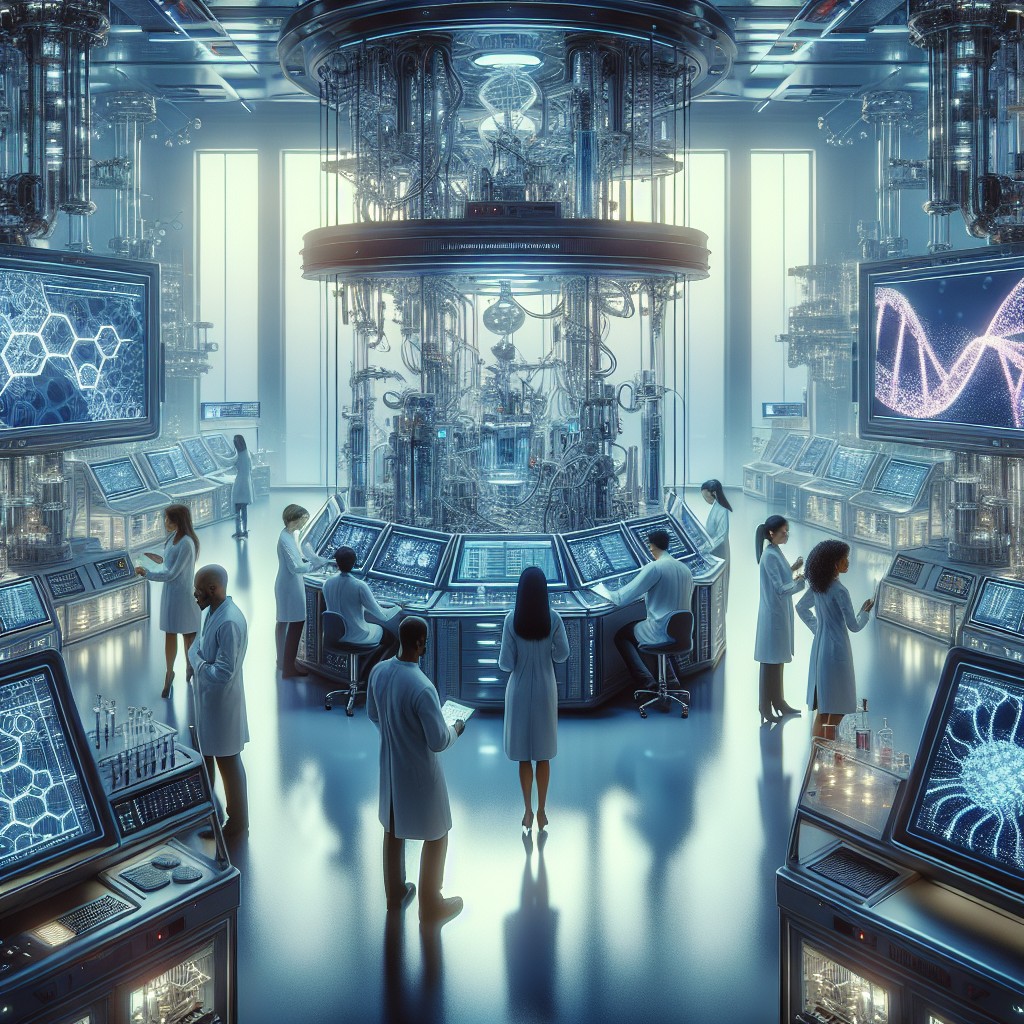
The field of biotechnology is experiencing rapid advancements that promise to reshape healthcare, agriculture, and environmental management. Recent biotech innovation is accelerating the development of new therapies, sustainable solutions, and diagnostic tools with unprecedented precision and speed.
Gene Editing Technologies Transforming Medicine
Gene editing techniques, particularly CRISPR-Cas9, continue to lead biotech innovation by allowing precise alterations to DNA sequences. This technology is being leveraged to develop treatments for genetic disorders such as sickle cell anemia and certain forms of inherited blindness. Recent clinical trials have demonstrated promising results, indicating the potential for permanent cures rather than symptom management. The expansion of gene editing platforms beyond CRISPR, including base editors and prime editors, further broadens the scope of possible genetic interventions.
Advancements in mRNA Vaccines and Therapeutics
The success of mRNA vaccines against COVID-19 has propelled focused research into mRNA-based treatments for various diseases. Biotech innovation in this area now includes mRNA therapeutics targeting cancer, autoimmune diseases, and rare genetic conditions. Companies are refining delivery systems to enhance the stability and targeting of mRNA molecules, improving efficacy and safety profiles. This trend is likely to result in a new class of customizable medicines that can be rapidly developed in response to emerging health challenges.
Synthetic Biology for Sustainable Solutions
Synthetic biology is enabling the design and construction of new biological parts and systems with applications in environmental conservation and industrial processes. Recent developments include engineered microbes capable of degrading plastic waste and producing biofuels from renewable resources. These innovations represent a shift towards sustainable production methods, reducing dependency on fossil fuels and minimizing ecological impacts. The integration of synthetic biology with AI-driven design tools is expediting the development cycle for these solutions.
Next-Generation Diagnostics with AI Integration
In diagnostics, biotech innovation is being driven by combining biotechnology with artificial intelligence. Enhanced diagnostic tools can now detect diseases at earlier stages and with greater accuracy, using techniques such as liquid biopsies and single-cell analysis. AI algorithms analyze complex biological data to identify biomarkers and predict patient outcomes, enabling personalized treatment plans. This convergence is particularly transformative in oncology and infectious disease management.
Cell and Gene Therapies Making Strides
Recent breakthroughs in cell and gene therapies are expanding treatment options for conditions once thought untreatable. Innovations include engineered T-cells for cancer immunotherapy and viral vector-based gene delivery systems that improve safety and effectiveness. Regulatory approvals of novel therapies attest to the maturity of these technologies within the biotech innovation landscape. Ongoing research aims to overcome challenges related to scalability, cost, and long-term efficacy.
Overall, these rapid advancements in biotech innovation signal a pivotal moment for the sector. Continued investment and collaboration between academia, industry, and regulatory agencies will be essential to translate these breakthroughs into widespread clinical and environmental applications. The growing interface between biotechnology and other disciplines like AI and data science is expected to drive even faster progress in the near future.
Frequently Asked Questions about biotech innovation
What areas currently see the fastest pace of biotech innovation?
Gene editing, mRNA therapeutics, synthetic biology, AI-driven diagnostics, and cell and gene therapies are among the fastest-moving areas in biotech innovation today.
How is biotech innovation impacting healthcare?
Biotech innovation is leading to more precise treatments, early diagnostics, and personalized medicine, significantly improving disease management and patient outcomes.
What role does artificial intelligence play in biotech innovation?
Artificial intelligence assists in analyzing complex biological data, designing new therapies, and enhancing diagnostic accuracy, thereby accelerating biotech innovation.
Are there environmental benefits from current biotech innovations?
Yes, synthetic biology and engineered organisms are being developed to reduce plastic pollution, create sustainable biofuels, and offer eco-friendly industrial processes as part of biotech innovation.
What challenges remain for biotech innovation in clinical applications?
Challenges include ensuring the safety, scalability, regulatory approval, and affordability of new therapies developed through biotech innovation.